



By Calvin Hexter, Calvin Realty/ Exp Realty
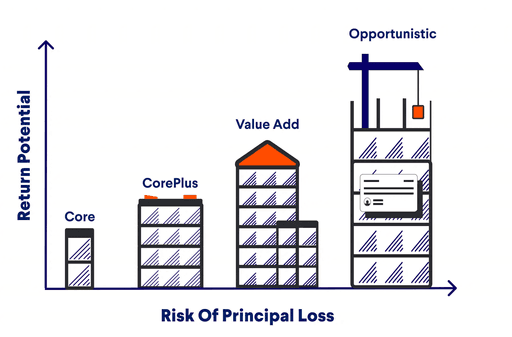
There is no single “best” residential real estate strategy — only strategies that align with an investor’s goals, risk tolerance, and capacity. Problems arise when investors chase strategies without understanding the trade-offs involved.
Strong residential portfolios are built through intentional strategy selection, not trend-following.
Buy and Hold for Cashflow
The most common residential strategy is long-term buy and hold. Investors purchase properties designed to generate monthly cashflow while benefiting from long-term appreciation.
This strategy prioritizes:
- Stable tenant demand
- Conservative financing
- Predictable expenses
- Long-term ownership
Cashflow-focused investors value resilience over speculation. The goal is durability, not speed.
Value-Add Residential Investing
Value-add strategies involve improving a property’s performance through renovations, operational efficiency, or repositioning.
Common value-add approaches include:
- Adding secondary suites
- Renovating underperforming units
- Improving tenant quality
- Optimizing rents over time
Value-add investing requires stronger execution skills but can accelerate portfolio growth when done correctly.
BRRRR Strategy (Buy, Renovate, Rent, Refinance, Repeat)
The BRRRR strategy allows investors to recycle capital by refinancing after improvements and stabilization.
This strategy works best when:
- Purchase price is well below intrinsic value
- Renovations are targeted and controlled
- Appraisal assumptions are conservative
- Financing partners understand the strategy
BRRRR is powerful, but unforgiving of poor assumptions.
Appreciation-Focused Residential Investing
Some investors prioritize long-term appreciation over immediate cashflow. This strategy often involves:
- Prime locations
- Lower-yielding assets
- Strong long-term demand drivers
Appreciation strategies rely heavily on location quality and market fundamentals. They are less forgiving during downturns but can produce significant equity growth over time.
Portfolio Diversification Within Residential
Sophisticated residential investors often combine strategies:
- Core cashflow properties
- Select value-add opportunities
- A smaller allocation to appreciation assets
Diversification reduces risk and smooths performance across market cycles.
Execution Matters More Than Strategy
Even the best strategy fails with poor execution. Underestimating expenses, overestimating rents, or mismanaging tenants erodes returns quickly.
Successful investors focus on:
- Conservative underwriting
- Realistic timelines
- Professional management when appropriate
- Continuous performance review
The Calvin Realty Investment Perspective
At Calvin Realty, we help investors match strategy to reality. We don’t promote one-size-fits-all approaches. We guide clients toward strategies that align with their goals, resources, and long-term plans.
Residential investing works best when strategy is intentional and execution is disciplined.
Final Thoughts
The best residential real estate investment strategy is the one you can execute consistently and sustainably. When strategy, market, and execution align, residential real estate becomes a powerful wealth-building tool.