



By Calvin Hexter, Calvin Realty/ Exp Realty
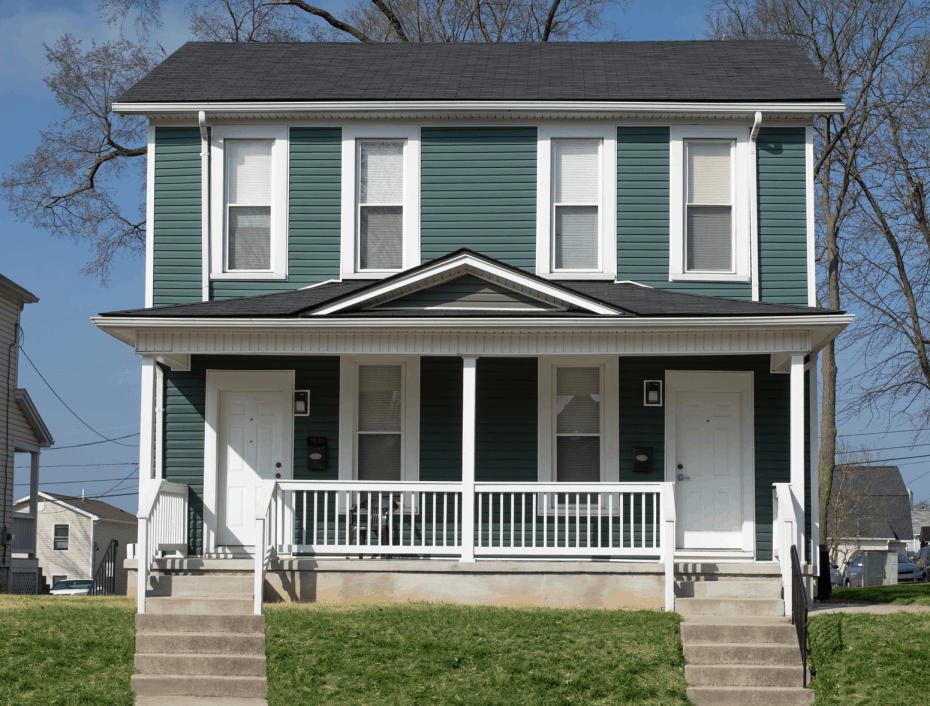
Cashflow is not an accident. It is the result of disciplined acquisition, conservative underwriting, and thoughtful execution. Investors who consistently find cashflowing rental properties understand that cashflow is created at purchase — not hoped for after closing.
Many investors struggle because they search broadly without a framework. They chase listings rather than evaluating opportunities through a repeatable process. The goal is not to find a cashflowing property; it is to develop the ability to identify them consistently.
Start With a Clear Definition of Cashflow
Before searching, investors must define what cashflow means to them. Cashflow is not simply rent minus mortgage. True cashflow accounts for:
- Vacancy
- Repairs and maintenance
- Capital reserves
- Insurance and property taxes
- Property management (even if self-managed)
Deals that appear to cashflow on paper often fail once realistic assumptions are applied. Conservative analysis protects investors from disappointment and stress.
Understand Where Cashflow Actually Exists
Cashflow is not evenly distributed across markets or neighbourhoods. It tends to exist where:
- Purchase prices are aligned with local incomes
- Rental demand is stable and consistent
- Property taxes and operating costs are manageable
- Supply is constrained relative to demand
In many markets, including Edmonton, cashflow is more commonly found in established neighbourhoods with older housing stock rather than new, high-end developments.
Choose Property Types That Support Cashflow
Certain residential property types are structurally better suited for cashflow:
- Single-family homes with secondary suites
- Duplexes and fourplexes
- Small multi-unit residential buildings
- Value-add rental properties
Properties with multiple income streams provide natural buffers against vacancy and expense volatility. Simpler properties may be easier to manage but often produce thinner margins.
Financing Is Often the Difference
Financing structure plays a major role in whether a property cashflows. Interest rate, amortization length, down payment, and lender treatment of rental income all affect performance.
Investors who focus only on purchase price often miss opportunities where optimized financing improves cashflow significantly. Conversely, aggressive leverage can erase cashflow quickly when rates or expenses rise.
Be Realistic About Rents
Overestimating rent is one of the most common mistakes investors make. Market rents should be verified using comparable properties that are actually rented, not just advertised.
Cashflow deals assume conservative rent growth and stable occupancy — not best-case scenarios.
Access Matters More Than Listings
The best cashflowing opportunities rarely sit on public listing sites for long. They are often found through:
- Agent networks
- Off-market conversations
- Mispriced or poorly marketed listings
- Properties requiring repositioning
This is where working with an investment-focused Realtor adds tangible value.
At Calvin Realty, we help investors understand where cashflow exists today — not where it existed historically — and how to evaluate opportunities with discipline.
Cashflow Is a Function of Discipline
Finding cashflowing rental properties is less about luck and more about process. Investors who succeed consistently:
- Underwrite conservatively
- Walk away often
- Focus on repeatability
- Adjust assumptions as markets evolve
Cashflow rewards patience and punishes optimism.
Final Thoughts
Cashflow is engineered through thoughtful acquisition and execution. When investors focus on fundamentals rather than hype, cashflow becomes predictable — and scalable.