



How to Invest in Commercial Real Estate
By Calvin Hexter
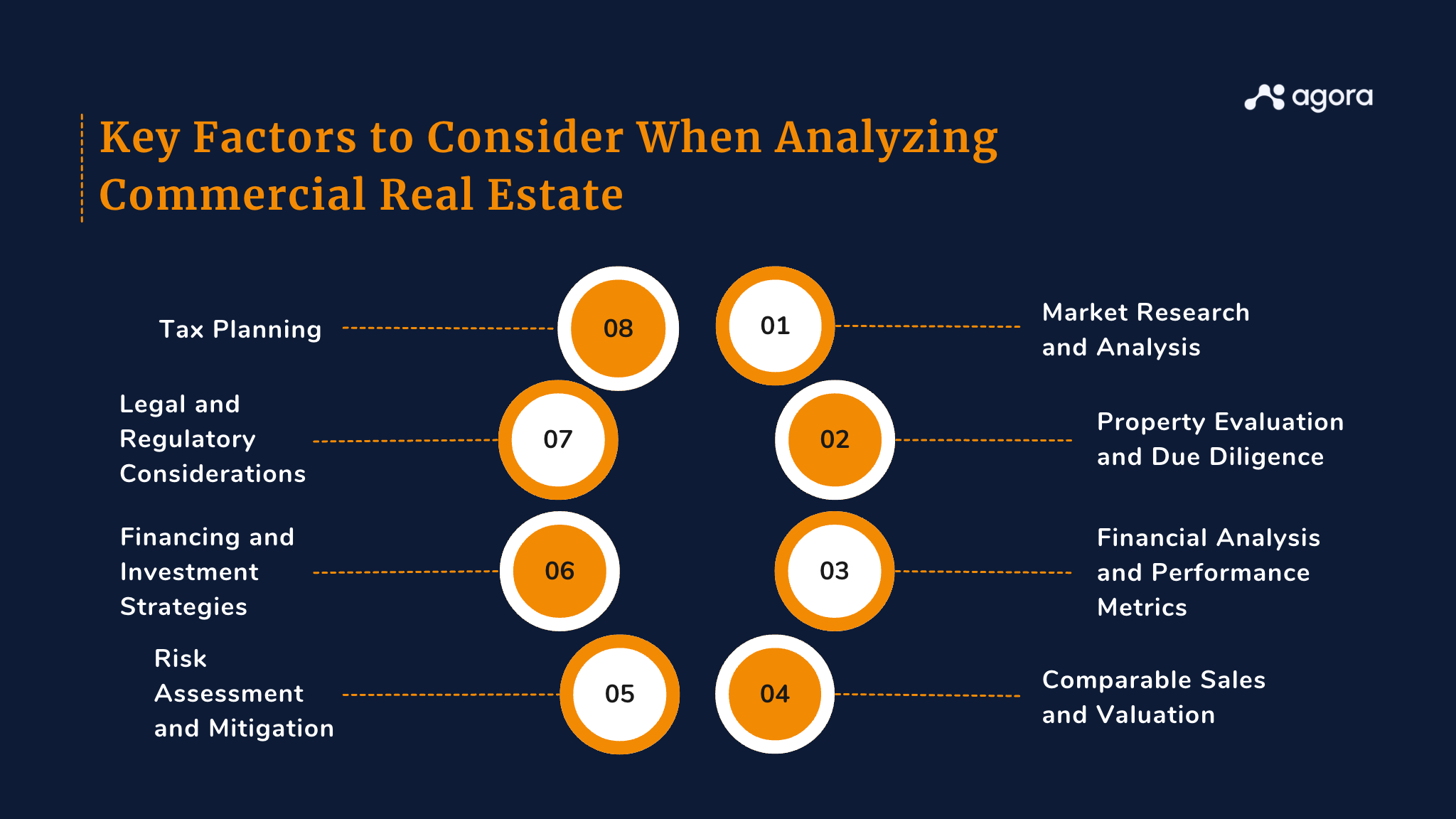
Commercial real estate investing represents a natural progression for investors looking to scale beyond residential properties, and understanding how that transition works in practice starts with a strong foundation in something like this commercial multi-family real estate in Edmonton framework. While it is often perceived as complex or inaccessible, commercial investing is best understood as a business of income, operations, and risk management, rather than a fundamentally different asset class.
The biggest mistake new commercial investors make is assuming commercial real estate is simply “bigger residential.” In reality, the drivers of value, financing, and risk behave very differently. Understanding those differences is essential before making the leap.
What Qualifies as Commercial Real Estate
Commercial real estate generally refers to income-producing properties that are valued primarily based on their ability to generate cash flow. Common categories include multi-family apartment buildings (typically five units or more), retail properties, office buildings, industrial assets, and mixed-use developments.
Unlike residential real estate, where comparable sales often anchor pricing, commercial property value is tied directly to net operating income. That shift from perception-based value to performance-based value is what defines the asset class—and what requires a different level of analysis from the investor.
Commercial Value Is Created Through Income
In commercial investing, value is driven by a simple but powerful formula:
Value = Net Operating Income ÷ Market Cap Rate
This means investors have more control over value creation. Increasing income or reducing expenses directly increases property value, regardless of broader market appreciation.
This operational focus is what attracts investors seeking scalability and predictability.
Financing Commercial Real Estate
Commercial financing differs substantially from residential lending. Lenders focus on:
- Property income and expense history
- Debt service coverage ratios
- Tenant quality and lease structure
- Investor experience and net worth
Financing terms are often shorter, rates can be variable, and underwriting is more conservative. Investors must understand financing timelines and renewal risk.
Risk Is Different — Not Necessarily Higher
Commercial real estate carries different risks, not inherently greater ones. These include:
- Tenant concentration risk
- Lease rollover exposure
- Capital expenditure planning
- Financing renewal risk
However, these risks are offset by stronger income control, professional tenants, and clearer performance metrics.
Entry Points Into Commercial Investing
Many investors enter commercial real estate through:
- Small apartment buildings
- Mixed-use properties with residential components
- Value-add multi-family assets
- Owner-managed properties transitioning to professional management
These entry points provide exposure to commercial fundamentals without immediate complexity overload.
Operational Discipline Matters
Commercial properties are businesses. Success depends on:
- Expense control
- Lease management
- Capital planning
- Tenant relations
Investors who treat commercial assets passively often struggle. Those who embrace the operational nature create long-term value.
Market Selection Still Matters
While commercial value is income-driven, location still plays a critical role in tenant demand and rent stability.
In markets like Edmonton, commercial investing benefits from:
- Diverse employment drivers
- Stable population base
- Accessible entry pricing
- Strong demand for rental housing and services
Market fundamentals provide the backdrop for execution.
Building the Right Commercial Team
Commercial investing requires a higher level of professional coordination, including:
- Commercial-focused Realtor
- Commercial mortgage broker
- Legal counsel experienced in income properties
- Property management and accounting professionals
At Calvin Realty, we guide investors through commercial opportunities with a disciplined, numbers-first approach — focusing on risk, income durability, and long-term scalability.
Final Thoughts
Commercial real estate investing is not about complexity — it’s about clarity. When investors understand income, risk, and operations, commercial assets become powerful tools for long-term wealth building.