



By Calvin Hexter, Calvin Realty/ Exp Realty
Multi-family real estate sits at the intersection of residential stability and commercial scalability. For investors seeking predictable income, operational control, and long-term wealth creation, multi-family offers a compelling path—when approached with discipline.
The biggest misconception is that multi-family is simply “more doors.” In reality, it is a business of income, operations, and risk management. Understanding that shift is essential before investing.
What Counts as Multi-Family
Multi-family typically includes properties with two or more residential units under one ownership. As unit count increases—particularly at five units and above—valuation becomes increasingly income-driven rather than comparable-sale driven.
Common entry points:
- Duplexes and fourplexes
- Small apartment buildings
- Medium-scale walk-ups
- Purpose-built rental assets
Each category carries different financing, management, and scalability considerations.
Why Investors Gravitate to Multi-Family
Multi-family concentrates demand and income. Instead of relying on one tenant, investors benefit from multiple income streams within a single asset. This diversification reduces vacancy risk and smooths cashflow.
Additional advantages include:
- Income-based valuation (NOI-driven)
- Operational efficiencies at scale
- Clear levers for value creation
- Professionalization potential
Income First: Understanding NOI
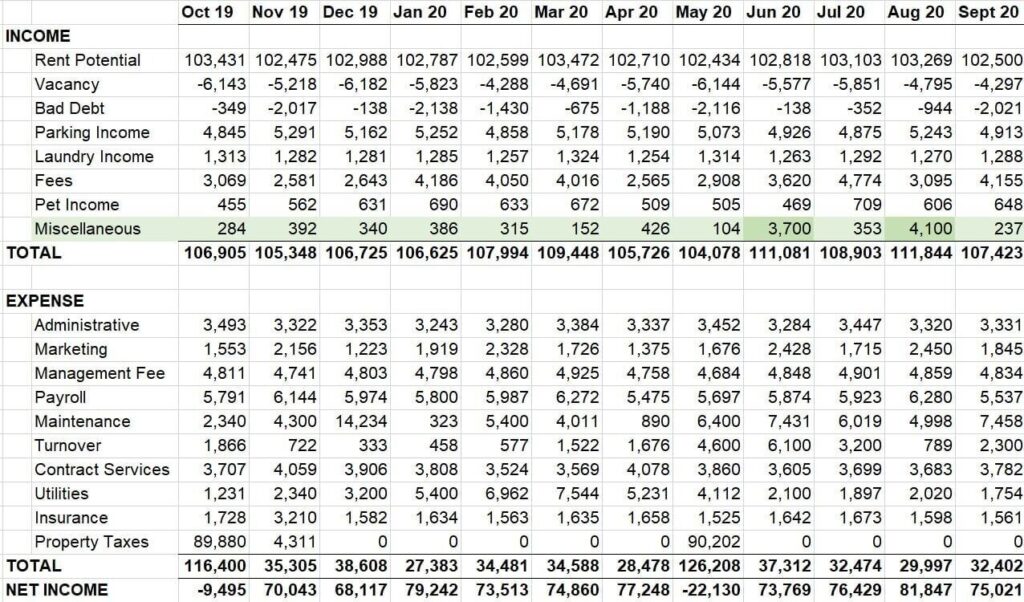
Net Operating Income (NOI) is the foundation of multi-family investing. It reflects property income after operating expenses, before financing. In income-driven assets, value is created by improving NOI, not by waiting on market appreciation.
Investors must normalize NOI by removing anomalies and ensuring expenses reflect realistic ownership—not seller-optimized reporting.
Financing Considerations
Financing varies by unit count and asset quality. Smaller properties may access residential programs, while larger assets rely on commercial underwriting focused on income durability and debt service coverage.
Key variables:
- Down payment and leverage
- Amortization and term length
- Interest-rate sensitivity
- Renewal risk
Financing should enhance a strong asset—not compensate for a weak one.
Market Selection Matters
While income drives value, location still influences tenant demand, rent stability, and exit liquidity. Markets with diversified employment and stable population trends support durable performance.
In markets like Edmonton, multi-family benefits from accessibility, consistent rental demand, and a broad tenant base—creating room for disciplined investors to scale without excessive speculation.
Build the Right Team Early
Multi-family investing benefits from professional coordination:
- An investment-focused Realtor
- A commercial-savvy mortgage broker
- Legal counsel experienced in income properties
- Property management and accounting support
At Calvin Realty, we work with investors at the planning stage—helping define criteria, evaluate risk, and source opportunities aligned with long-term goals.
Start Conservative, Then Scale
Early multi-family success comes from repeatability, not speed. Conservative underwriting, reserves for capital items, and patience during stabilization build confidence and momentum.
Final Thoughts
Multi-family real estate rewards investors who treat it as a business. With disciplined analysis and execution, it offers income stability, operational control, and scalable growth across market cycles.