



By Calvin Hexter, Calvin Realty/ Exp Realty
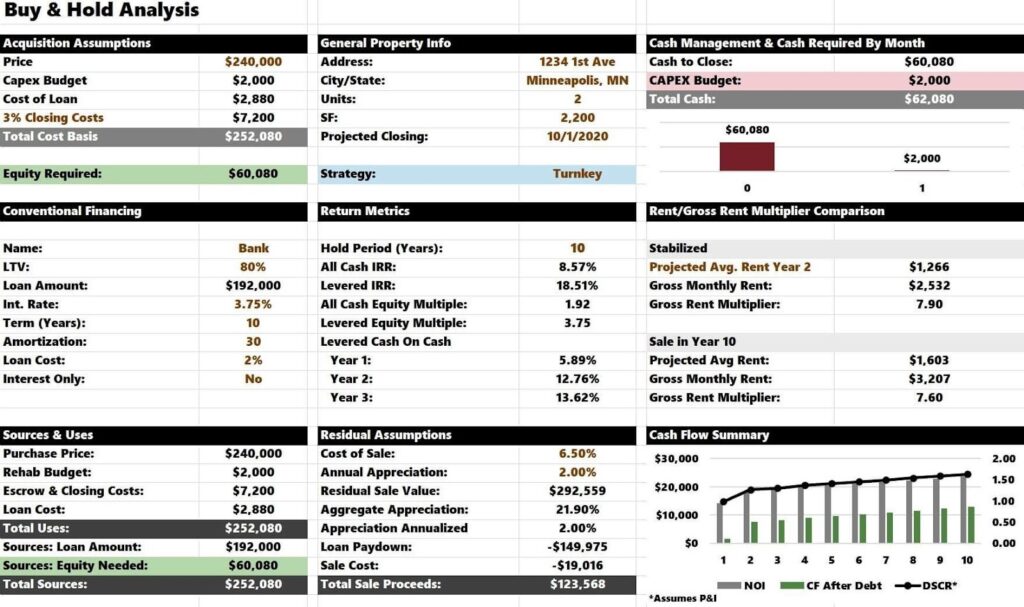
Residential real estate investing is one of the most accessible and durable ways to build long-term wealth, but accessibility is often mistaken for simplicity. While many people own homes, far fewer understand how to approach residential property as an investment rather than a purchase driven by emotion or speculation.
Getting started properly matters. Early decisions shape risk tolerance, capital efficiency, and long-term scalability. Investors who build a strong foundation early tend to compound results. Those who don’t often stall after their first or second property.
Start With Strategy, Not Property
The most common mistake new investors make is starting with a property instead of a plan. Successful residential investing begins with clarity around objectives.
Key questions every investor should answer:
- Is the primary goal cashflow, appreciation, or a blend?
- What level of involvement is acceptable?
- How long is the intended hold period?
- How important is scalability versus simplicity?
Without these answers, investors tend to react to listings rather than execute a strategy.
Understand the Role of Leverage
Residential real estate is powerful because of leverage. Using financing allows investors to control assets far larger than their initial capital. However, leverage cuts both ways.
Smart investors:
- Use conservative assumptions
- Maintain cash buffers
- Avoid maxing out borrowing capacity prematurely
- Stress-test deals against rate changes and vacancies
Leverage should amplify discipline, not replace it.
Choose the Right Property Type First
Residential investing offers multiple entry points, each with different risk profiles:
- Single-family rentals
- Secondary suites
- Duplexes and small multi-family
- Townhomes or select condos
Each property type behaves differently in terms of tenant demand, maintenance, and exit options. New investors often benefit from simplicity and liquidity before moving into more complex assets.
Location Is Still the Foundation
Residential real estate remains highly location-sensitive. Tenant demand, rent stability, and long-term appreciation are all influenced by neighbourhood fundamentals.
Strong residential investment locations typically share:
- Employment access
- Transit connectivity
- Amenities and services
- Consistent tenant demand
In markets like Edmonton, neighbourhood selection is often the difference between a stable performer and a constant headache.
Financing and Team Matter Early
Residential investors benefit from building the right professional team early. This includes:
- A Realtor who understands investing, not just transactions
- A mortgage broker comfortable with rental portfolios
- A lawyer experienced with income properties
- An accountant who understands cashflow and depreciation
At Calvin Realty, we work with investors at the planning stage — not just when a listing appears — to ensure early decisions support long-term goals.
Start Conservatively, Then Scale Intentionally
The goal of the first investment property is not to get rich — it’s to build confidence, systems, and understanding. Investors who succeed long term focus on repeatability rather than perfection.
Residential real estate rewards patience, discipline, and consistency.
Final Thoughts
Starting in residential real estate is not about timing the market. It’s about aligning strategy, risk tolerance, and execution. When done properly, residential investing becomes a foundation for long-term financial resilience and growth.