



By Calvin Hexter, Calvin Realty/ Exp Realty
Selling real estate is often more emotional than buying. Even when the numbers make sense, sellers are parting with something familiar — a home, an investment, a chapter of life. That emotional layer doesn’t disappear just because the decision is logical. In many cases, it intensifies it.
At the same time, selling is a performance-based process. The outcome is shaped by preparation, positioning, timing, and execution. When done well, selling creates clarity, leverage, and momentum into the next phase of life. When done poorly, it creates stress, regret, and the feeling that something was left on the table.
This guide exists to give sellers perspective.
Not pressure. Not shortcuts. Not generic advice. Real context around how selling actually works, where sellers go wrong, and how to approach the process with confidence instead of anxiety.
This is not a checklist you skim the night before listing. It’s a reference you can come back to before you sell, while you’re on the market, and even after you’ve accepted an offer — because the sale isn’t over when the sign goes up.
Table of Contents
Understanding Why You’re Selling
Before pricing discussions, marketing plans, or timelines, the most important question is why you’re selling.
Some sellers are motivated by opportunity. They’re moving up, relocating, or reallocating capital. Others are driven by necessity — job changes, family shifts, financial pressure, or life transitions. Many sellers fall somewhere in between.
Understanding your motivation matters because it influences every decision that follows. Sellers with clarity make better pricing decisions. Sellers without clarity often hesitate, overanalyze feedback, or react emotionally to normal market behavior.
It’s also important to distinguish between urgency and importance. Urgency influences flexibility. Importance influences expectations. When sellers confuse the two, frustration often follows.
Strong selling decisions come from honesty about what matters most in this sale — price, timing, certainty, or flexibility — and accepting that trade-offs exist.
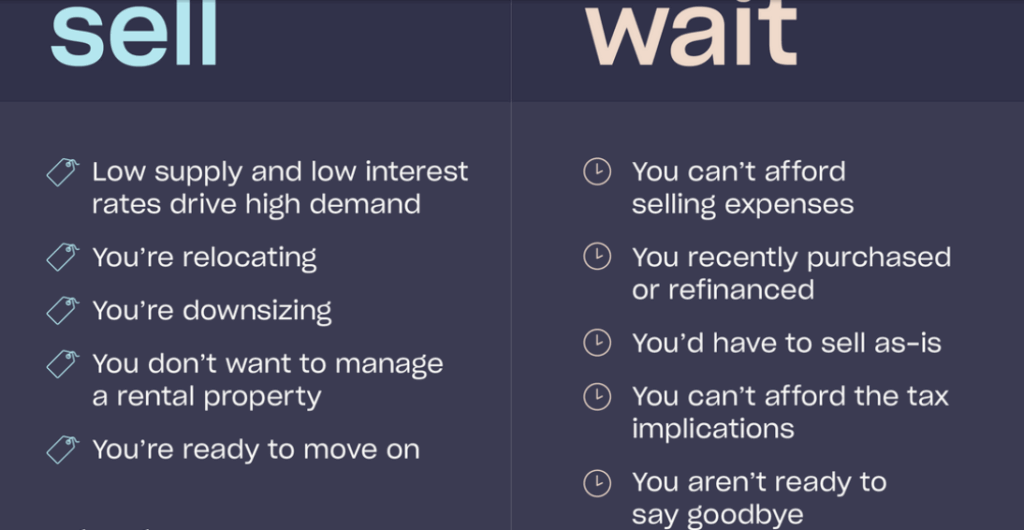
Timing the Sale and Understanding Motivation
Timing affects leverage, but not always in obvious ways.
Many sellers believe there is a perfect time to sell. In reality, there are windows of advantage and windows of compromise. Markets shift. Inventory changes. Buyer sentiment evolves. Waiting for perfection often leads to missed opportunity.
Seasonality matters, but it’s not absolute. Personal timelines often outweigh theoretical market timing. Sellers who align their timing with their life — rather than chasing headlines — tend to feel more in control of the process.
Motivation also evolves once a home is listed. What felt flexible before listing can feel urgent once showings begin. What felt urgent can feel negotiable after strong feedback. Understanding this emotional arc helps sellers stay grounded.
Understanding the Market You’re Selling In
Real estate markets are local and layered. Edmonton behaves differently than Calgary. One neighbourhood can be competitive while another feels stagnant. National headlines rarely capture what sellers experience on the ground.
Key factors shaping seller leverage include inventory levels, buyer demand, interest rates, and comparable sales activity. These elements influence not just price, but terms, timelines, and negotiation dynamics.
In strong seller-leaning environments, pricing accuracy and momentum matter more than squeezing every dollar. In buyer-leaning environments, preparation, positioning, and patience matter more.
Sellers who understand the market context are less likely to misinterpret normal activity as failure or success. Perspective reduces stress.
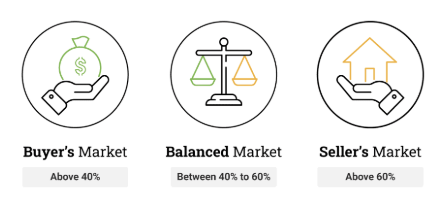
Buyer Psychology and Market Cycles
Buyers are emotional decision-makers, even when they believe they’re being logical.
Fear of missing out, fear of overpaying, comparison fatigue, and anchoring all influence buyer behavior. Sellers who understand buyer psychology position their homes more effectively.
Market cycles amplify these behaviors. In competitive markets, buyers act quickly and emotionally. In slower markets, buyers hesitate and overanalyze. Sellers who fail to adapt their strategy to buyer psychology often feel ignored or undervalued.
The goal is not to manipulate buyers, but to meet them where they are psychologically.
Pricing Strategy: What Your Home Is Really Worth
Price and value are not the same thing.
A home’s list price is a strategic tool, not a declaration of worth. Value is determined by recent comparable sales, condition, location, buyer demand, and alternatives available in the market.
Overpricing rarely creates leverage. It often creates friction, extended market time, and price reductions that signal weakness. Underpricing without strategy can leave money on the table.
Strong pricing strategies balance ambition with realism. They create momentum, encourage competition, and position the home as a compelling option rather than a stale listing.
Sellers who detach emotionally from list price make better decisions throughout the process.
Preparation: Getting a Property Ready for Market
Preparation is one of the most overlooked value drivers in selling real estate.
Small details compound. Deferred maintenance, clutter, outdated finishes, and poor lighting all influence buyer perception. Buyers don’t price homes based on effort — they price them based on comparison.
Preparing a home for market is not about perfection. It’s about reducing friction. Removing reasons for buyers to hesitate. Helping them see possibility instead of problems.
Sellers who invest time and intention into preparation often recover that investment many times over in stronger offers and smoother negotiations.

Staging, Presentation, and First Impressions
Buyers decide how they feel about a home within seconds.
Staging isn’t about decorating. It’s about creating clarity. Helping buyers understand how a space functions and how it could support their life.
Good presentation highlights strengths and minimizes distractions. Poor presentation forces buyers to work too hard to imagine themselves in the space — and most won’t.
Photography, lighting, layout, and cleanliness all matter. First impressions happen online before a buyer ever walks through the door.
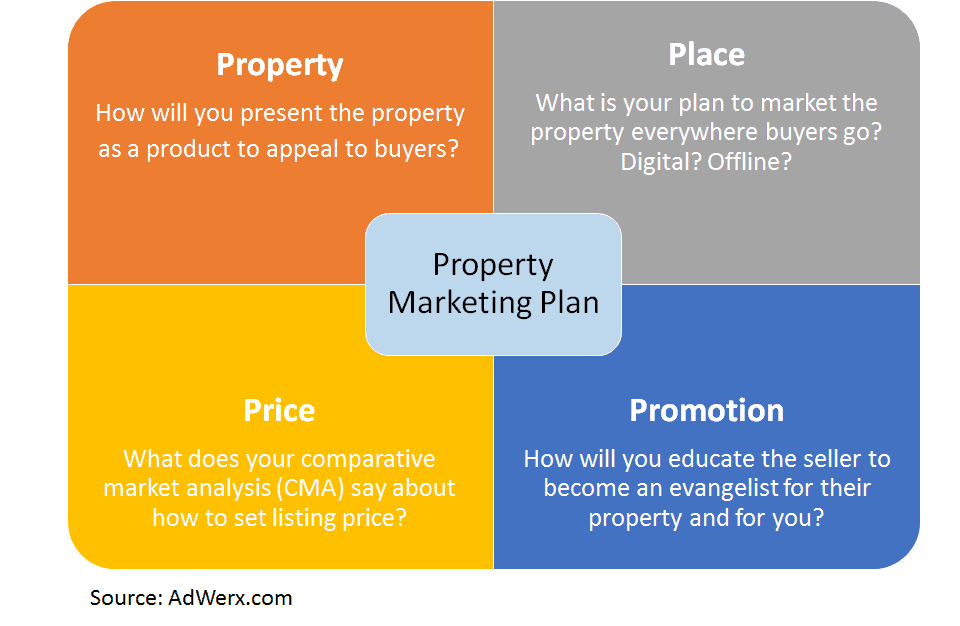
Marketing Strategy Beyond the Listing
Marketing is more than uploading photos and waiting.
Effective marketing positions a property, tells a story, and reaches buyers where they are actually paying attention. This includes presentation, timing, exposure, and messaging.
Different homes require different strategies. Entry-level properties attract different buyers than luxury homes. Investment properties attract different attention than family homes.
Sellers benefit most when marketing strategy is intentional rather than generic.
Showings, Feedback, and Seller Psychology
Showings are emotionally charged for sellers.
It’s easy to internalize feedback or overreact to silence. It’s also easy to dismiss valid feedback because it feels personal. Neither extreme is helpful.
Feedback is data, not judgment. Patterns matter more than individual opinions. Sellers who view feedback objectively make better adjustments and maintain momentum.
Understanding that buyer behavior is unpredictable helps sellers stay balanced during this phase.
Offers, Terms, and What Actually Matters
Not all offers are created equal.
Price is important, but so are terms. Conditions, deposits, possession dates, and buyer reliability all influence the strength of an offer.
The highest price isn’t always the best outcome if the deal collapses later. Certainty has value. Clean offers reduce stress and risk.
Strong sellers evaluate offers holistically rather than emotionally.
Negotiation: Protecting Value Without Killing Momentum
Negotiation is a balancing act.
Pushing too hard can kill deals. Giving in too quickly can create regret. The goal is to protect value while keeping momentum alive.
Understanding leverage — market conditions, buyer motivation, and timing — informs better negotiation decisions. Emotional reactions often undermine leverage.
Sellers who remain calm and strategic tend to achieve stronger outcomes.
Conditions, Risk, and Deal Management
Accepting an offer is not the finish line.
Conditions introduce uncertainty. Financing, inspections, document reviews, and appraisals all need to be navigated carefully.
Sellers who understand this phase remain proactive rather than reactive. Addressing issues early and clearly reduces deal collapse risk.
Risk management during this phase protects both timelines and outcomes.
Appraisals, Financing, and Buyer Follow-Through
Financing is one of the most common points of failure in a sale.
Appraisals can come in low. Lenders can impose conditions. Buyers can face unexpected hurdles. None of this is personal, but it impacts outcomes.
Sellers who understand financing mechanics avoid panic and make more measured decisions if challenges arise.
The Final Walkthrough and Condition at Possession
The final walkthrough protects both parties.
Sellers are expected to deliver the property in substantially the same condition as when the deal was accepted, reasonable wear and tear excepted.
Overlooking this responsibility can create last-minute conflict, delays, or holdbacks. Attention to detail here protects the closing.
Preparing for Closing and Transition
Selling doesn’t end when conditions are removed.
Preparing for closing includes coordinating move-out logistics, utility transfers, document signing, and possession timelines. Organization reduces stress and prevents surprises.
Emotionally, this phase often feels anticlimactic. Sellers move from anticipation to transition quickly. Being prepared helps smooth that shift.

Selling With Confidence, Not Regret
The best selling decisions are made with clarity, not pressure.
Pressure leads to rushed pricing, reactive negotiation, and second-guessing. Confidence comes from understanding the process, the market, and your priorities.
Selling real estate is a significant milestone. Done well, it creates opportunity, momentum, and peace of mind. Done poorly, it creates lingering doubt.
The difference is rarely luck. It’s preparation, perspective, and good guidance.